
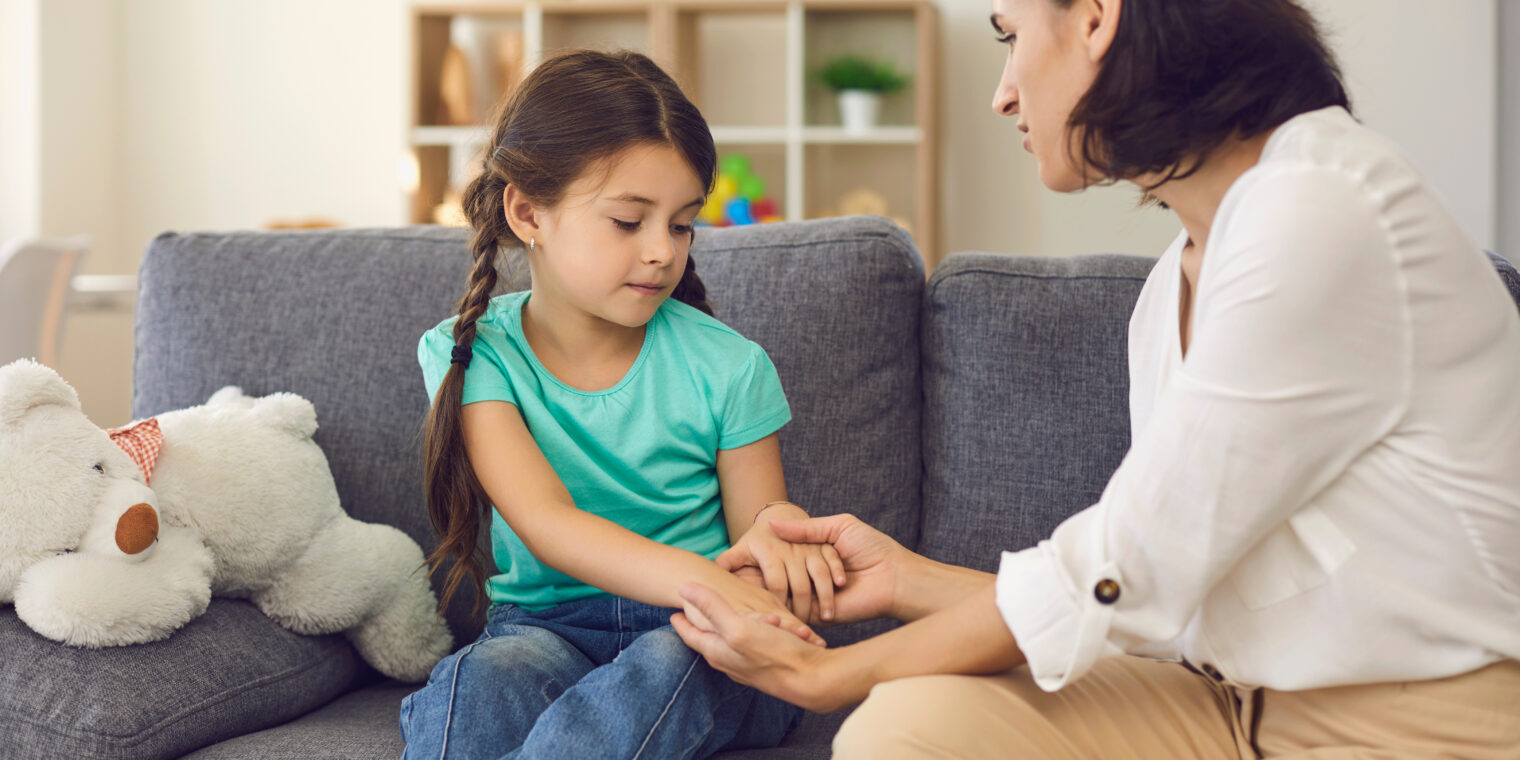
As the holiday lights dim and the calendar settles into January, many families breathe a sigh of relief and then feel a surprising heaviness. The decorations are down, the guests have gone home, the whirlwind of celebrations has ended… and suddenly, home feels a little emptier, the days a bit longer, and the afterglow simply gone.
For many parents, and their children returning to school, what shows up in these first weeks of the New Year isn’t just exhaustion, but a phenomenon often called the “post-holiday blues.” While it’s usually temporary, it can still impact mood, energy, family dynamics, and school performance. Recognizing it, and having tools to manage it, can help your family navigate this time with calm, connection, and care.
What Are the Post-Holiday Blues (and Why Do They Happen)
The post-holiday blues (sometimes called “post-vacation blues” or “holiday crash”) often follow a season of elevated stimulation where busy schedules, social events, travel, late nights, and high expectations for joy and togetherness prevail. The contrast between the holiday high and the return to routine can feel abrupt and deflating. Suddenly, the pace slows, the excitement fades, and normal responsibilities feel routine, even mundane. While the post-holiday blues are common and usually temporary, they deserve attention, both for your own wellbeing and for your family’s.
Common Signs Parents (and Teens) Might Notice
While every experience is different, the post-holiday blues often show up as one or more of the following, especially in the days or first few weeks after the holidays:
- Feeling a sense of emptiness, let-down, or disappointment now that the holidays are over
- Low energy, fatigue, or sluggishness, even after resting or sleeping.
- Decreased motivation for things that once felt enjoyable or manageable feel harder (schoolwork, household tasks, hobbies).
- Mood shifts such as irritability, sadness, anxiety, or feeling “on edge.”
- Trouble sleeping, either insomnia or oversleeping
- Changes in appetite and eating habits.
- Difficulty concentrating, fatigue at school or work, or a sense of being disconnected or “off.”
- For kids and teenagers, sometimes the return to school, early mornings, and academic or social pressure can magnify the effect.
Practical Ways to Help Your Family Cope and Regain Balance
To ease the transition back to “normalcy” and re-energize your household, consider the following family-friendly strategies:
- Gently re-establish routines
- Gradually return to normal sleep and wake times; aim for consistency.
- Build in small, predictable daily rituals such as a family dinner without screens, a 10–15 minute walk after dinner, or a quick check-in before bedtime.
- Encourage reasonable physical movement and time outside (when possible)
- A short walk, quick play session with kids, or light stretching can help move energy and lift mood.
- Natural light, even on chilly or overcast days, supports a sense of normalcy, and helps counter some of the winter’s shorter daylight effects.
- Connect and talk as a family and individually
- Share how you’re feeling. Encourage open conversation about what was stressful over the holidays, what drained energy, and what you’d like to do differently next year.
- Spending time together in simple, low-key ways (e.g., cooking, games, sharing stories) can rebuild warmth and connection, without the pressure of “holiday perfection.”
- Set realistic expectations and boundaries
- It’s okay to say “no” to extra commitments, social pressure, overspending, or anything that feels emotionally heavy.
- Accept that the transition period might feel “off” for a little while. You don’t have to snap back instantly.
- Prioritize rest, nutrition, and self-care
- After the busy holiday season, your body and mind may need extra sleep, healthy meals, and some downtime to recover.
- Avoid overindulgence like alcohol, sugary treats, and late nights which can exacerbate mood swings or low energy.
- Plan something to look forward to (even something small)
- Maybe a simple movie night, a family outing, a nature walk, or a winter craft with kids. Something that brings lightness, connection, and a sense of new rhythm.
- Be attentive to children and teens
- Returning to school, social pressures, cold dark winter days all can feel heavy after a busy holiday season.
- Encourage open communication: ask how they feel about being back to school, changes in routine, friendships, stress. Offer space for them to share.
When It’s Time to Reach Out for Professional Support
While the post-holiday blues are often temporary, sometimes the slump may linger longer than expected, or feel heavier than a simple “letdown.” It may be time to consider seeking support if:
- Sadness, irritability, or fatigue lasts more than 2–3 weeks.
- You or a family member begins to withdraw socially, lose interest in previously enjoyed activities, or show major changes in sleeping or eating patterns.
- There are persistent difficulties with school or work performance, concentration, or motivation.
- You notice persistent anxiety, overwhelming stress, or any thoughts of hopelessness or self-harm.
At Integrated Psychology Associates of McLean (IPAM), our team is ready to support families navigating this transition. Sometimes what’s needed is simply a safe space to talk, to unpack emotions, recalibrate expectations, and build coping strategies that reflect your family’s rhythm.
Moving From Post-Holiday Blues to New-Year Balance
The end of the holiday season doesn’t have to mean a fade into gloom or stress. With awareness, intention, and connection, your family can shift gently into the new year, not just back to “normal,” but toward balance, well-being, and renewed energy.
Remember that the feelings you may be experiencing are common and understandable. But they don’t have to linger. With intentional self-care, open communication, realistic expectations, and if needed, professional support, you can help guide your family through the post-holiday lull, and into a healthy, hopeful winter.
If your post-holiday heaviness doesn’t ease up, or if you sense that someone in your family may benefit from extra support, we at IPAM are here. Together, we can help you restore light, connection, and forward movement.